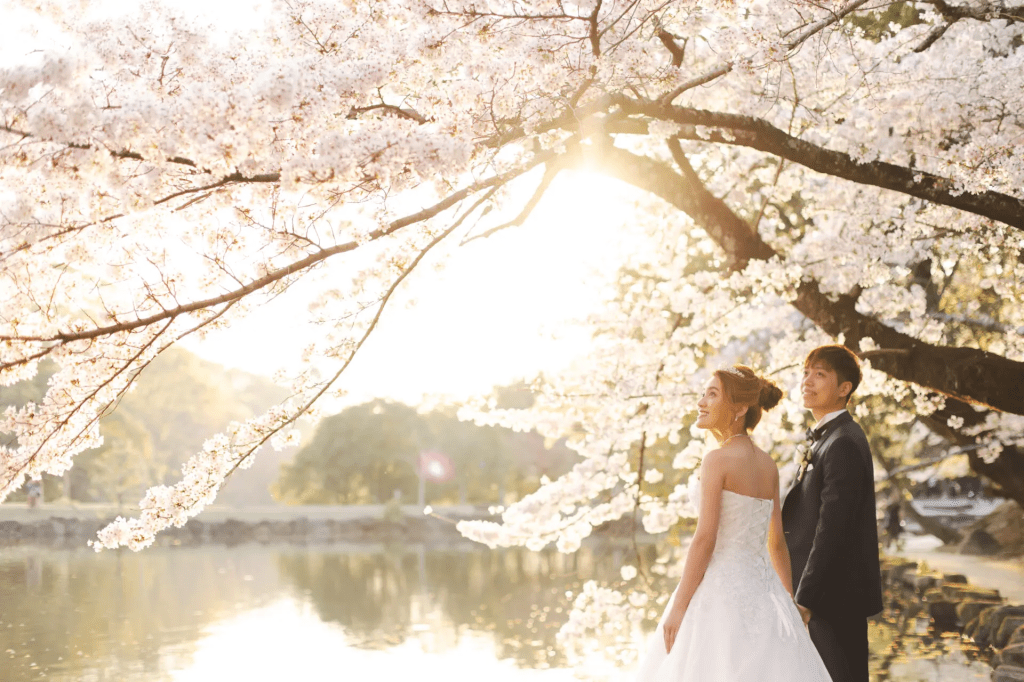
Wedding photography is one of the most challenging yet rewarding genres in photography. Capturing the intimate moments, the emotion, and the For more information grandeur of a wedding day requires not only skill and creativity but also mastering the right camera settings. Unlike studio photography, weddings are unpredictable, with constantly changing lighting conditions, fast-moving subjects, and varied environments — from bright outdoor ceremonies to dimly lit receptions.
In this article, we’ll explore the best camera settings for wedding photography to help photographers, whether beginners or pros, get those crisp, stunning images every time.
Why Camera Settings Matter in Wedding Photography
A wedding is a once-in-a-lifetime event, and there’s no room for error. Proper camera settings ensure you capture sharp, well-exposed photos that require minimal corrections in post-processing. The right settings help you:
Handle different lighting situations seamlessly
Freeze fast-moving moments without blur
Create beautiful depth of field to highlight the couple
Maintain consistent image quality throughout the day
Now, let’s break down the essential camera settings and how to adjust them for wedding photography success.
- Shooting Mode: Manual or Aperture Priority?
Manual Mode
Manual mode gives you full control over shutter speed, aperture, and ISO. Experienced photographers often prefer manual mode during weddings because they can fine-tune exposure settings quickly to adapt to changing light.
Aperture Priority (A or Av)
For those newer to wedding photography, aperture priority mode is an excellent option. You select the aperture, and the camera automatically adjusts shutter speed for proper exposure. This is useful for controlling depth of field while still focusing on the moment.
- Aperture: Creating Beautiful Background Blur
The aperture controls how much light enters the camera and affects the depth of field—the amount of the photo that appears in focus.
Wide Aperture (f/1.2 to f/2.8): Use a wide aperture during portraits or detail shots to create a shallow depth of field. This helps the couple stand out from the background with a beautiful, creamy bokeh.
Smaller Aperture (f/4 to f/8): For group shots or scenes where you want everything in focus, use a smaller aperture to increase depth of field.
Tip: Prime lenses with wide apertures (like 50mm f/1.8 or 85mm f/1.4) are favorites among wedding photographers for their sharpness and beautiful background blur.
- Shutter Speed: Freezing the Moment
Shutter speed determines how long the camera’s sensor is exposed to light. It also affects motion blur.
Fast Shutter Speed (1/200 to 1/500 seconds): Essential for freezing fast movements, such as dancing or spontaneous moments.
Slower Shutter Speed (1/60 to 1/125 seconds): Useful for capturing some motion blur intentionally, like flowing veils or moving crowds. Be cautious—too slow may cause unwanted blur if handheld.
Rule of thumb: For handheld shooting, your shutter speed should be at least the reciprocal of the focal length (e.g., 1/50 for a 50mm lens) to avoid camera shake.
- ISO: Adjusting for Light Sensitivity
ISO controls the camera sensor’s sensitivity to light.
Low ISO (100-400): Use low ISO outdoors or in bright environments to maintain image quality with minimal noise.
Higher ISO (800-3200+): Indoor venues or dim lighting often require raising ISO. Modern cameras handle high ISO well, but avoid going too high to prevent grainy images.
Tip: Use noise reduction in post-processing if you must shoot at very high ISO.
- White Balance: Keeping Colors Natural
White balance ensures your colors are accurate, preventing unwanted color casts from different lighting sources.
Auto White Balance (AWB): Works well in many situations and is a good starting point.
Custom White Balance: For tricky lighting (candlelight, mixed lighting), set custom white balance or adjust in RAW during editing.
Shooting in RAW format allows you to adjust white balance easily in post without losing quality.
- Focus Mode: Sharp Subjects Every Time
Choosing the right focus mode is critical to capturing sharp wedding photos.
Single-Point AF: Best for portraits where you want precise focus on the eyes.
Continuous AF (AI Servo/AF-C): Great for tracking moving subjects during action shots like dancing or walking.
Face/Eye Detection AF: Many modern cameras offer face or eye detection autofocus, which is extremely helpful in wedding photography to keep the subject in focus.
- Drive Mode: Capturing the Perfect Moment
Wedding moments can be fleeting, so consider using continuous shooting mode (burst mode) to capture several frames per second. This increases the chance of getting the perfect smile, laugh, or glance.
- Additional Tips for Wedding Photography Settings
Use a Fast Lens: Lenses with wide apertures (f/1.2 to f/2.8) help in low light and create beautiful bokeh.
Shoot in RAW: Always shoot in RAW to retain maximum image quality and flexibility for post-processing.
Check Histogram: Regularly check your histogram to avoid blown-out highlights or lost shadows.
Use Exposure Compensation: In tricky lighting, use exposure compensation to adjust brightness without switching modes.
Conclusion
Mastering camera settings is vital for wedding photographers to deliver stunning images that capture the magic of the day. While every wedding is different, starting with manual or aperture priority mode, a wide aperture for portraits, fast shutter speeds for action, and appropriate ISO adjustments will set you up for success.
 Site Title